
Paint Correction
A measured machine-polishing process that reduces visible defects and restores clarity before protection.

Service Overview
About This Service
A measured machine-polishing process that reduces visible defects and restores clarity before protection.
Paint Correction is the controlled removal or refinement of a very small amount of the paint’s upper surface to reduce visible defects and restore clarity, depth and gloss.
It can dramatically improve a vehicle’s appearance — but it must be approached with care, knowledge and realistic expectations.
Every Vehicle Starts With an Inspection
Before correction begins, we inspect the paintwork, identify defects and assess its overall condition.
We discuss with the customer:
- Swirl marks and scratches
- Oxidation and loss of gloss
- Previous repairs or repainting
- Deeper defects and areas of concern
- What can realistically and safely be improved
- The customer’s expectations and intended use of the vehicle
Our objective is not simply to remove as many defects as possible. It is to achieve the appropriate improvement without unnecessarily compromising the paintwork.
How Many Correction Steps Does My Car Need?
There is no universal answer.
Paint Correction can range from a lighter enhancement to multiple stages of cutting and refining.
The appropriate process depends on the condition and characteristics of the paint, the defects present, how much correction can safely be performed and the result the customer wants to achieve.
More correction is not automatically better.
Every aggressive correction removes some material. Preserving the long-term integrity of the paint is always part of our decision-making process.
What Can Paint Correction Improve?
Depending on their depth and the condition of the paint, correction can significantly reduce:
- Swirl marks
- Light to moderate scratches
- Oxidation
- Haze
- Water-spot etching
- Previous polishing defects
- Loss of clarity and gloss
Some deeper scratches and defects cannot be safely removed completely.
In these situations, improving the defect rather than chasing complete removal may be the responsible option.
Sanding & More Intensive Correction
For particular defects, more advanced processes such as localised sanding or multiple correction stages may be possible.
However, sanding is considerably more aggressive than conventional polishing and can remove a significant amount of clear coat.
For this reason, we do not recommend aggressive correction simply to achieve a higher percentage of defect removal.
It is considered only when the condition of the paint, expected result and available material justify it.
Paint Touch-Ups
Small stone chips and certain deeper defects may also be improved through localised paint touch-ups.
A touch-up is intended to make damage less visually noticeable and better protected. It should not be confused with professional body-shop repainting, and a completely invisible repair cannot always be achieved.
The Right Equipment Is Only Part of the Process
Professional Paint Correction requires a combination of:
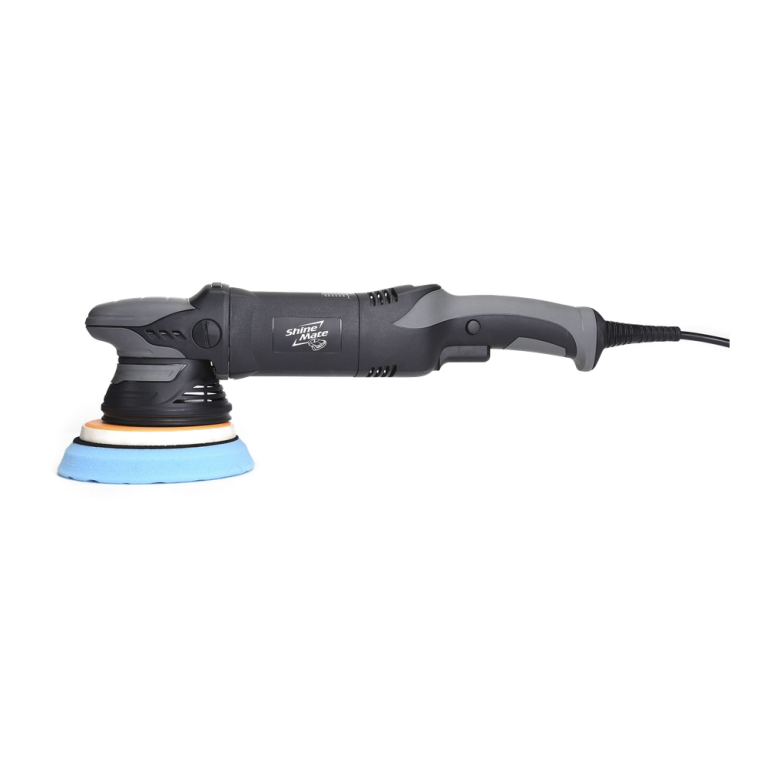
- Professional polishing machines
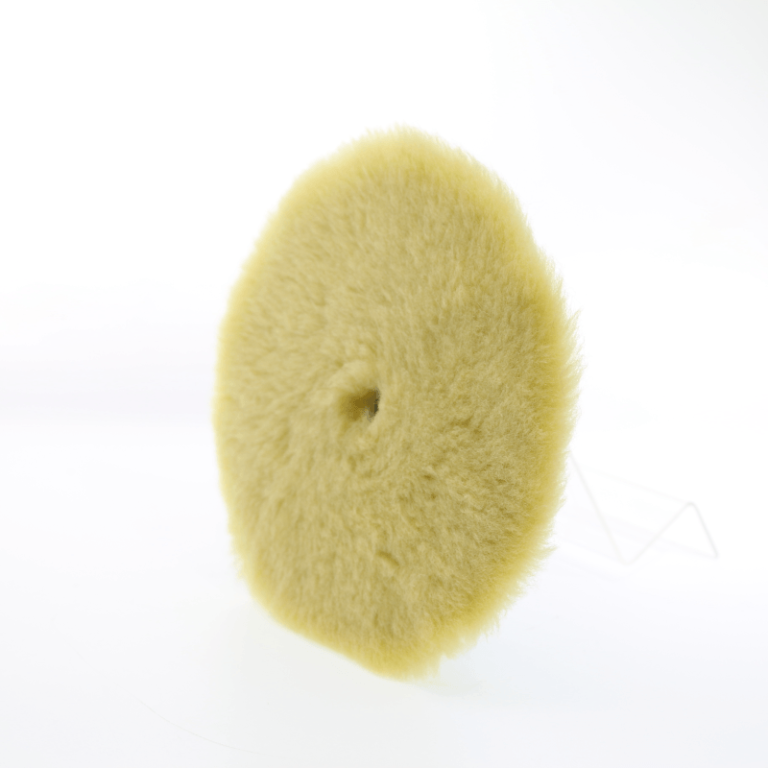
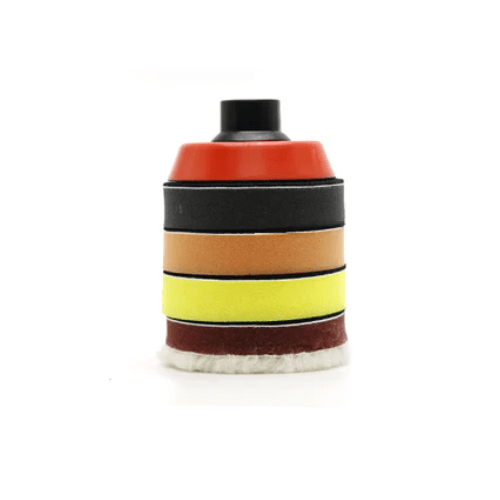
- Carefully selected pads and compounds
- Appropriate inspection lighting
- Paint assessment and preparation
- Correct technique and product combinations
- Focus, skill and precision
We work with professional detailing equipment and carefully selected products, including systems from ShineMate, Soft99 and other specialist manufacturers.
But equipment alone does not correct paint safely. Knowing when to continue — and when to stop — is equally important.
What Results Should You Expect?
Paint Correction can transform the appearance of a vehicle, significantly improving gloss, clarity and the visibility of many paint defects.
But 100% defect removal is neither always possible nor always advisable.
Before beginning, we aim to explain the limitations of the paintwork and establish realistic expectations with the customer.
Our priority is to achieve the best appropriate result while preserving as much of the vehicle’s paint system as reasonably possible.
What Comes After Paint Correction?
Once corrected, the surface is properly prepared for protection.
Depending on the customer’s requirements, this may range from conventional protection to a professional Ceramic Coating.
Not sure how much correction your vehicle needs?
You don’t need to decide how many polishing stages to purchase.
Let us inspect the paintwork first. We’ll explain its condition, what can realistically be achieved and which level of correction makes sense for your vehicle and your expectations.
The Process
What’s Included
- 01
Inspect and measure
Assess paint condition, previous repairs, and safe correction limits.
- 02
Decontaminate
Wash, chemically decontaminate, and clay only where the surface requires it.
- 03
Test and correct
Establish the least aggressive effective pad and compound combination.
- 04
Refine and protect
Finish-polish where needed, prepare the surface, and apply the chosen protection.
DIY Tutorial
Paint Correction
Follow each step in order and use the products connected to that part of the process.


Follow the repellent instructions and buff without leaving high spots.
Products used in this step


Work only after a safe wash and complete decontamination.
Confirm the polish and pad combination before completing a panel.
Remove polishing oils and apply suitable wax, sealant, or coating.
Products Used
Products Used in This Service

Soft99
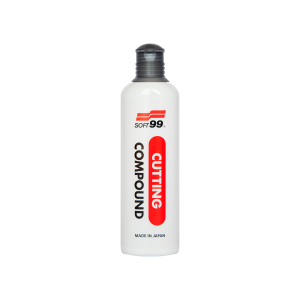
Soft99 Cutting Compound 300ml
First step in a three-stage Soft99 polishing system. Water-based paste with high aggressiveness designed for work with rotary…

Soft99
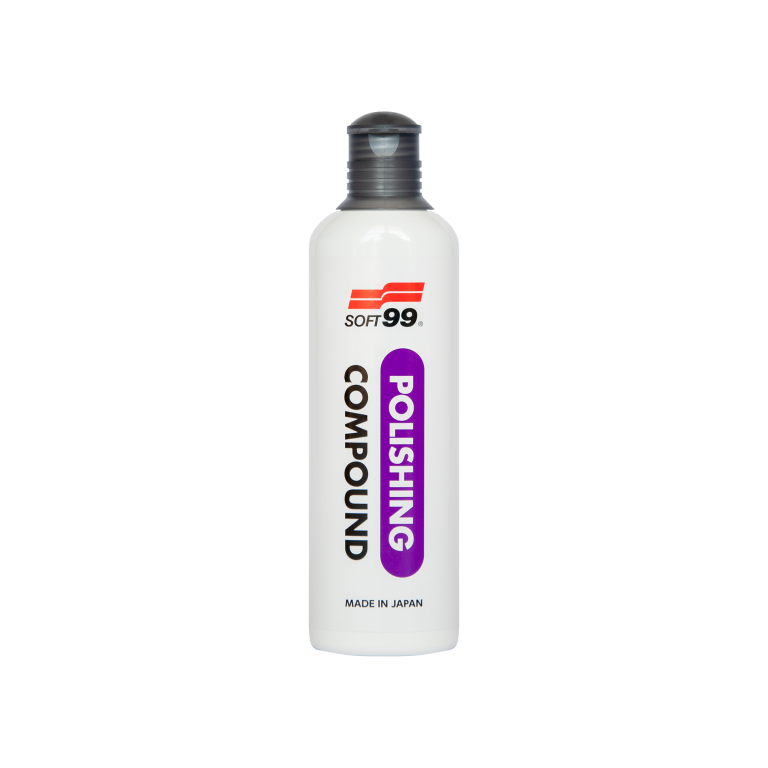
Soft99 Polishing Compound 300ml
Second step in the three-stage Soft99 polishing system. A water-based paste with medium aggressiveness designed for work with…


Soft99
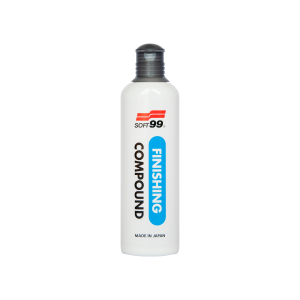
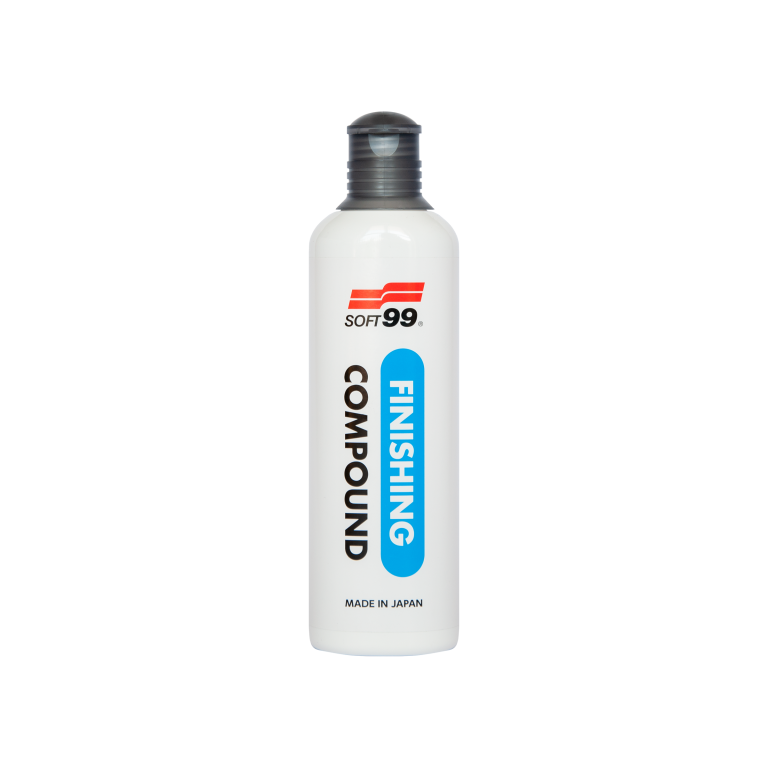
Soft99 Finishing Compound 300ml
Third step in the three-stage Soft99 polishing system. Water-based finishing paste designed to work with rotary or dual-action…

Ready for a better finish?
Let the workshop handle the process.
Tell us about the car and the result you want. We will advise the right path.